Foods and Herbs that support a healthy liver
- Eating a diet rich with green, yellow, orange, and purple foods from plant sources will support a healthy liver. Cruciferous vegetables, beets, and carotenoids, found in carrots, tomatoes, oranges and many other fruits and vegetables are good at supporting the liver in breaking down toxic additives, pesticides, hormones and other chemicals (Bauman and Walderman, 2012)
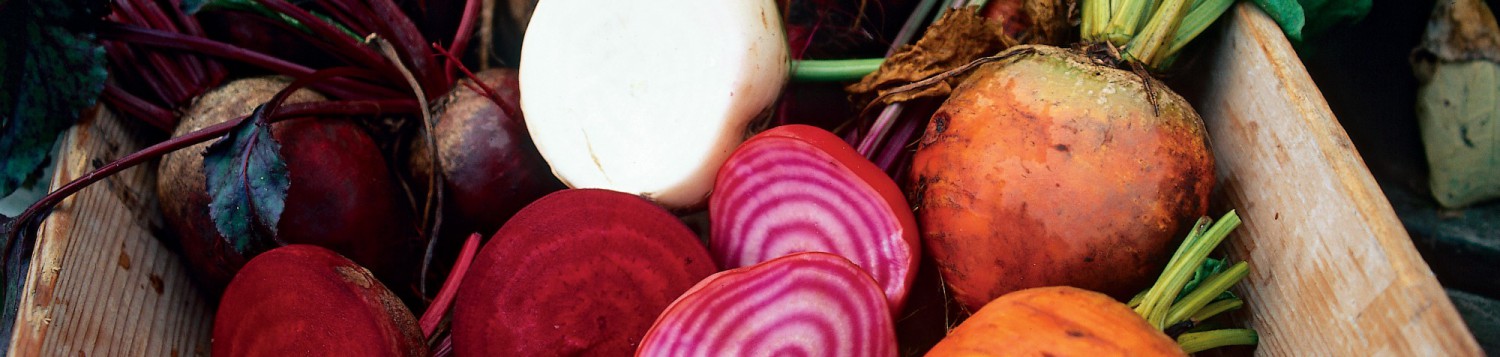
- Eat organic beets they are a wonderful food for your liver. Beets help improve the function of the liver by thinning the bile. This will help the bile move more freely to the small intestine.
- Eat sulfur-rich foods, such as broccoli, cabbage, onion, garlic and organic eggs. Sulfur-rich foods help the liver make glutathione. One of the body’s most powerful antioxidant and detoxifier, glutathione neutralizes harmful free radicals.
- Eat oranges and tangerines these are liver-supportive fruits. They contain limonene, a phytochemical this is a strong stimulate of detoxification enzymes.
- Antioxidant vitamins and minerals such as A, C and E; zinc and selenium are also very helpful in supporting a healthy liver.
- Milk Thistle is a wonderful herb for your liver. Milk Thistle helps the liver regenerate via its antioxidant and anti-inflammatory properties. It can also help repair damaged cells.
- Dandelion Root enhances the flow of bile production (Murray, M., 2005). Try Dandelion tea.
- Curcumin (from the spice turmeric) inhibits the growth of cancer cells (Servan-Schreiber, 2009). Try curry spice with black pepper on your vegetables cooked lightly in coconut oil.
Lifestyle for a healthy liver
- Exercise is very important for a healthy liver. Exercise gets your blood and lymph circulating promoting detoxification. Try walking and/or jumping on a mini trampoline.
- Manage your stress. Try Yoga, meditation, and deep and relaxed breathing.
- Your liver works best at night so try and get 8 hours of sleep every night.
- Buy organic vegetables, fruits and meats. This will help limit your exposure to chemicals.
- Limit the amount of red meat consumption.
- Limit the amount of sugar you eat or eliminate all together. Excess sugar is stored in the liver as glycogen. Once your liver is full of glycogen, excess glucose is converted into fatty acids. It then enters the bloodstream and gets stored in your tissues (Carr,K. 2011). This alone is enough to limit your sugar intake.
References:
Bauman, E., Walderman, H. 2012. The Whole-Food Guide for Breast Cancer Survivors. Oakland,CA:New Harbinger Publications, Inc.
Murray, Michael. 2005. The Encyclopedia of Healing Foods. New York, NY: ATRIA Books
Servan-Schreiber, 2009. Anticancer A New Way of Life. New York, NY: The Penguin Group
Carr, Kris. 2011. Crazy Sexy Diet. Gilford, CT: Globe Peqout Press
 Healthful Living by CAS