Breast cancer is a disease in which malignant (cancer) cells form in the tissues of the breast. It occurs when some breast cells begin growing abnormally.
Types of breast cancer: ~Endocrine receptor (estrogen or progesterone receptor positive.
~ HER2 positive
~Triple negative not positive to receptors for estrogen, progesterone or HER2
~Triple positive, positive for estrogen receptors, progesterone receptors and HER2 positive
Make sure to research and discuss your options for treatment with your Oncologist.
All cancers are different it is important to tailor your treatment to your type of cancer.
Signs and Symptoms:
~Breast lump or thickening of tissue
~Bloody discharge from the nipple
~ Change to the skin over the breast, such as dimpling
~ Inverted nipple
~ Peeling, Scaling or flaking of the nipple or breast
~ Redness or pitting of the skin over your breast, like the skin of an orange.
~ Swollen lymph glands or nodes in the armpit area
If breast cancer is suspected seek medical advice from a Doctor that specializes in breast cancer.
You know your body better than anyone: trust your instinct if you feel something is not right. Most of the information I will share we will be specific to a person that has recently been diagnosed or facing breast cancer treatment. However, the information can also be helpful and beneficial for a person that has never had breast cancer. Follow the recommended diet and information to help strengthen the immune system so that you may never have to personally face having breast cancer.
Cancer protective Behaviors:
~ Maintain a healthy weight: Increased physical activity can complement a healthy diet. Try for 30 minutes a day of moderate exercise. Like walking, swimming, biking, or rebounding on a mini trampoline to get your lymph system moving.
Eliminate the stress in your life: Try Yoga and meditation, deep breathing and relaxation techniques. Stay POSITIVE use words like manage and deal with cancer. Saying “fight” cancer can give a “negative” feeling and you want to be positive going forward. Looking to the future and healing yourself from within. Lowering stress is very important in facing cancer and obtaining optimal health.Getting more oxygen into your system by practicing deep breathing can help reduce stress. Cancer has a difficult time surviving in a well-oxygenated environment.
Three nutrients to help manage Breast cancer.
Fiber in foods helps digestion, prevents constipation, lowers cholesterol, and reduces the risk of cancer. Food sources of fiber are: organic whole grans, nuts, seeds, vegetables, fruits, beans, and flaxseed. *More information on fiber on a separate post.
Protein is a micronutrient that is important for the body to heal build, maintain and repair cells.
Protein sources should come from Wild fish such as salmon and halibut. Gluten free grains like quinoa, flaxseed, beans and legumes. Rice, and whey protein powders for smoothies. Limit the amount of red meat consumption or eliminate all together. Also, glutamine powders are a good source of protein to add to smoothies and help with neuropathy that can be caused by some chemo treatments.
Omega-3 fatty acids reduce inflammation, lower cholesterol and help prevent cancer cell growth. Omega 3 fatty acids are important for overall health. It is beneficial to have a good balance of omega 6 to omega 3. Sources of omega-3 fatty acids are: Salmon, anchovies, walnuts and flaxseeds.
Other important nutrients:
Green tea is rich in polyphenols (EGCG), which reduce the growth of new blood vessels needed for tumor growth. Is a powerful antioxidant. Try to drink 2 to 3 cups of organic decaffeinated green tea everyday.
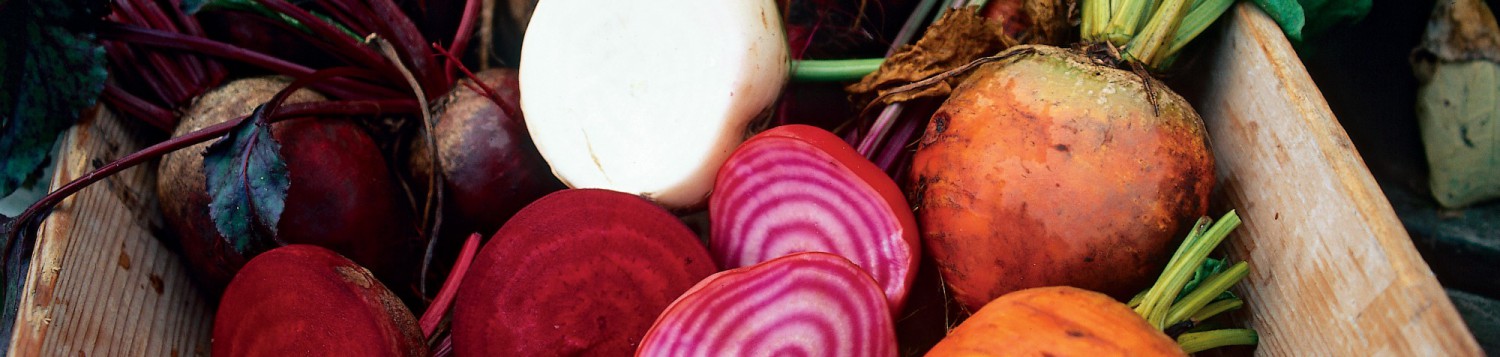
Antioxidants help fight infection and are associated with liver and overall liver function. Antioxidant foods are: tomatoes, berries, oranges, cherries, kale, spinach, onions, beans, and beets.
Spices: Turmeric & curry and Ginger: Turmeric is the most powerful natural anti-inflammatory identified today. It also helps stimulate apoptosis in cancer cells and inhibit angiogenesis. Best to mix turmeric with black pepper so the body can assimilate it.
Ginger acts as a powerful anti-inflammatory and an antioxidant and has protective effects. A ginger tea can help alleviate nausea from chemo and radiation.
Cruciferous vegetables contain sulforaphane, which are powerful anticancer molecules. These molecules are capable of detoxifying certain carcinogenic substances. Food sources are: the cabbage family such as Brussels sprouts, bok choy, Chinese cabbage, broccoli, and cauliflower. Recommend to lightly steaming your veggies.
Foods to eliminate or limit from your diet include:
~ Soda and especially diet soda
~ Avoid alcohol or limit to 1 small ( 5oz) glass of wine per day. The American Institute of Cancer Research reports from the Food, Nutrition and Prevention of Cancer: a global perspective, there is convincing evidence that alcohol drinks can increase risk of cancer.(www.aicr.org)
~ Avoid foods with a high glycemic index. Avoid simple carbohydrates such as: white bread, rice, pasta, pastries and chips.
~ Avoid hydrogenated or partially hydrogenated (trans fats) oils. Avoid conventional dairy products (Servan-Schreiber, 2009).
~ Avoid non-organic red meat and limit red meat consumption all together.
~ Try to decrease the amount of gluten containing grains (wheat, Rye, barley) to prevent inflammation. Try for gluten free grains such as quinoa and brown rice.
 Healthful Living by CAS